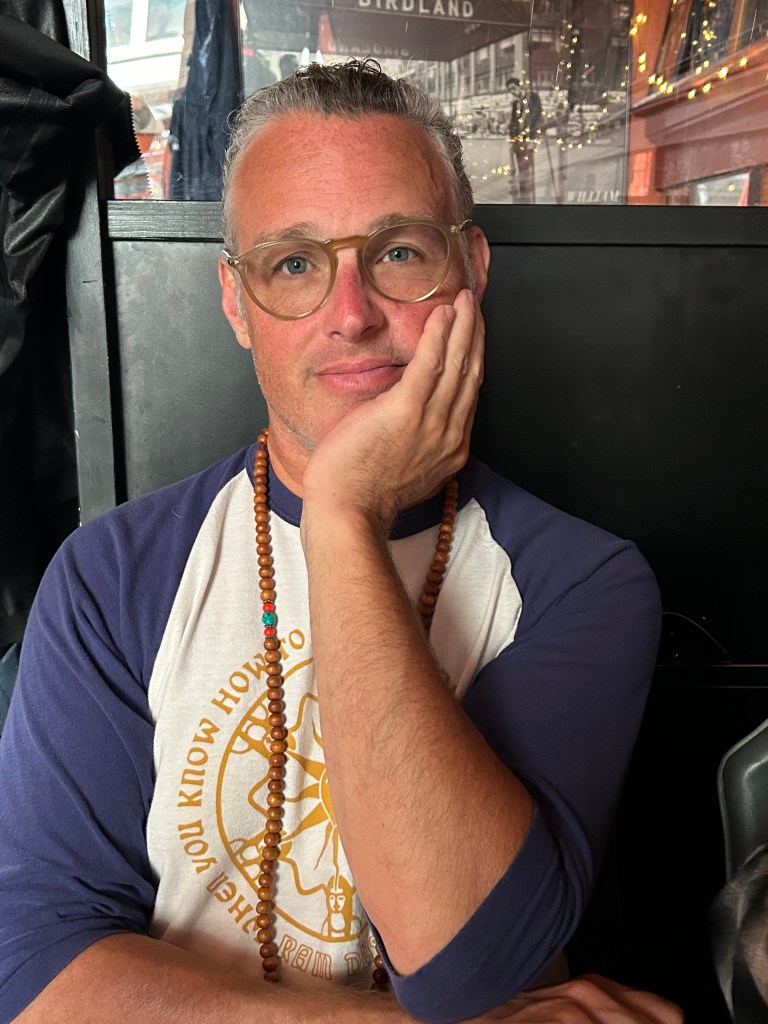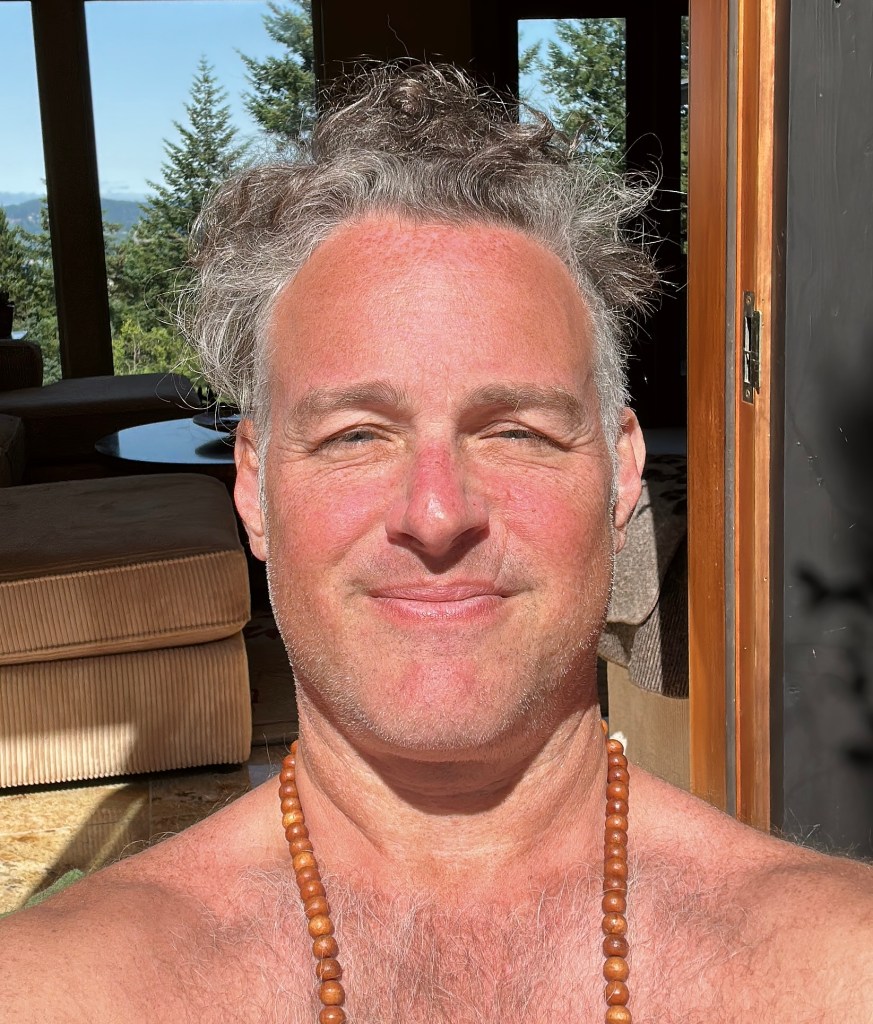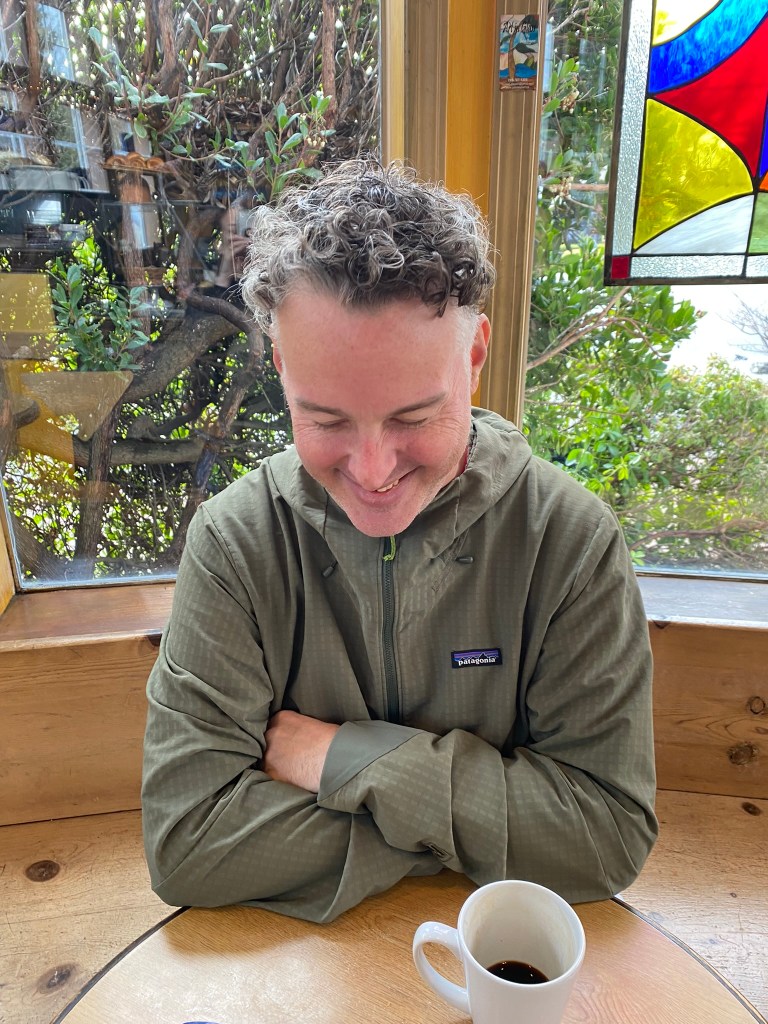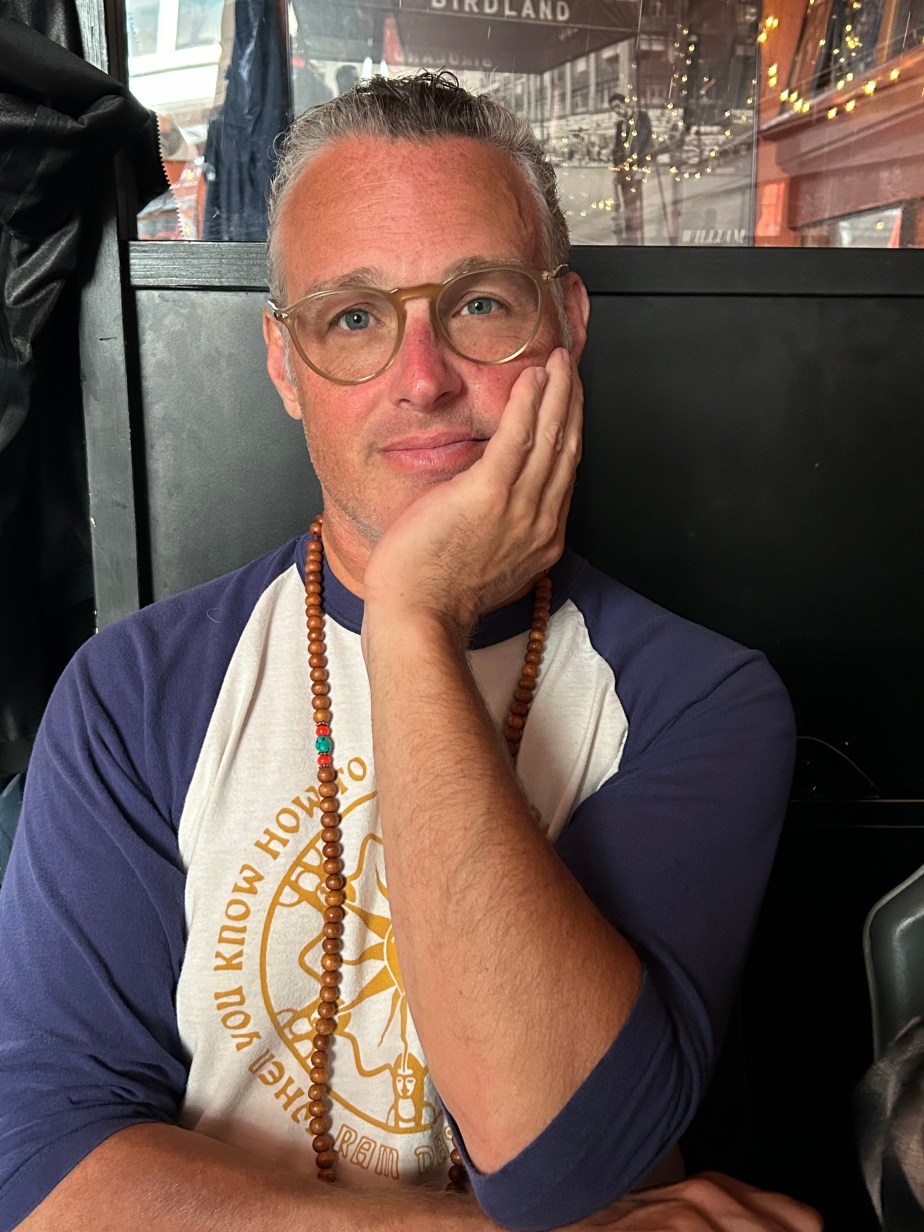
A year ago, on June 18th, 2025 at 8:13 PM, with his family in bed at home, Den packed up and went exploring into the great unknown.
I still don’t know exactly how to talk about it. I’ve started this post a hundred times but thought this was the time to finally do it, on this most heartfelt anniversary, and on Fathers Day. What would he want me to say — about what he chose, day after day, month after month, that led us here, after such a big win?
Because we had won. Before anything else, Den, me, Daniel Orrego, the Seyfried team — in the summer of 2023, we absolutely won and Den and I were high for years on that win. We shrank his tumours. No chemo. No radiation. We implemented several Press Pulse Protocols and it worked. Den reached No Evidence of Disease (NED) in July 2023.
He was such a fighter and those three years he spent in this particular fight — alongside me, alongside Daniel, alongside the hundreds of people who flew in or called at all hours — were some of the best of his life. It lit him up. It filled him with joy and purpose and connection, which was the thing Den lived for. He got to be the man who helped, and he was so good at it. For those people that got on zoom calls with him, who he sat on the phone with, who he gave his time to, will tell you that he cared. Deeply. It also stressed him beyond anything he knew how to carry — and we’ll get to that, because that part matters more than we knew at the time.
This is where I have to talk about the post-protocol protocol, and the psychology of disease. Because it turns out getting rid of the cancer was the doable part. Living a life that keeps it gone — that’s the part nobody had figured out. That’s the part that took him and it’s also the most asked question I get from folks that have also won….what now?
I have three questions to answer. I’ve made peace with some. Some will go unanswered forever.
WHAT HAPPENED, EXACTLY?
Den reached NED in July 2023 and his scans continued to hold him there through November 2023, March 2024, with the win staying right where we’d left it. And then it started to come undone. Not on a scan, but in a mindset.
It starts with one small exception. One old favourite. One can’t hurt. And it can’t — except the escape feels good, and the old comfort comes crawling back, and one becomes once a week, then a few times a week, then every day. If your comfort is food, or alcohol, you slide right back into leaning on the very crutches you’d put down. The slips look small. They are never just small. They’re the visible edge of a much bigger thing — the psychology of how we cope, and what we reach for the moment we stop paying attention.
He was also carrying the weight of the world. He was working with clinicians and families around the globe — people flying out to work with us, calling at all hours, handing him their fear — and he was lit up by being the man who could help, and overloaded in a way none of us fully clocked at the time. He also not equipped for management that kind of stress
Then came the mistake that still gives me pause. To hold his muscle, Den started taking an oral anabolic-androgenic steroid. In theory he was treating muscle wasting but in reality he was pouring fuel on a fire we couldn’t yet see — because there was a small tumour creeping back, and, in hindsight, the faintest hint of a cancer cell in his heart. I think that steroid helped turn regular tumours into turbo tumours.
Here’s how we eventually understood how badly it had gone. We had studied Den’s body for years. We knew, almost to the scan, how fast his tumours grew and how fast they reversed — roughly a sugar cube’s worth of cancer melting away per protocol. That was his math, and we knew it cold. So when the new tumours came back the size of baseballs in six months, the math wasn’t mathing. It didn’t fit anything we knew about his body.
When his body started sounding alarms that fall, he wouldn’t believe the cancer was back — because the speed of it didn’t match the math, and we knew the math well. By the time they found the full burden in January 2025 — a mass the size of a baseball in his heart, another in his hip — he knew. He knew exactly what he’d done, and what it had cost. And by then there was no time, and no way out.
The rest happened fast. They couldn’t operate; his heart would never survive it. When his femur snapped in March, that break became the door to the only surgery he could get — awake, because anesthesia would have killed him. He came home worse than he left, with a pile of opioids and pain that never stopped. From March to July, the pain and the stress simply would not let him back into a protocol. The complications closed every door. And then he was gone.
HOW COULD WE LET THIS HAPPEN?
This is the question that’s kept me up for a year, and here’s the answer I’ve landed on: it wasn’t a lack of knowledge. It wasn’t a lack of faith, or will. He had every tool. He built half of them. He knew exactly what to do — and he wasn’t letting himself do it.
That’s the psychology of dis-ease, and it’s the thing I most need people to understand. Den was the one everyone considered easygoing — the helper, the guy the whole world leaned on. But inside, he was an anxious, stressed-out man. We hooked him up to a monitor once that tracked stress in real time, and the data told the truth his face never did: his numbers were off the charts. He was the most stressed person in the room, every single time. Every person’s fear he took on, he took into his body — and a body doesn’t know the difference between a coping mechanism and safety. It just registers the load. He kept everyone alive but himself. He looked away from his own scans because looking meant facing it, and he was too depleted to face it. The disease rewards exactly that: the escape, the comfort, the looking away.
Stress and cortisol management is one of the most important things you can ever learn to tuck into — and it’s so much bigger than people think. Yes, there’s the breathwork. Yes, there’s the meditation. But there’s also your actual life. If you don’t do the harder work of learning your own behaviours in the moment, then twenty minutes of meditation in the morning or at night — before the chaos or after it — still leaves you walking around with a body full of stress for the other ten hours of the day.
I’ve spent this last year actively working to understand this in myself, because I watched someone ignore every warning sign his own body was screaming, and I need to know why we do that. Why we choose not to look. So I’m taking a course in neuroplasticity and rewiring the brain, and leaning into somatic modalities — learning to actually hear my body when it tells me it isn’t okay. Because I have a strong mind, and a strong mind is its own kind of trap: just because you can push through something doesn’t mean your body doesn’t know it’s been in a battle. That battle skews your blood glucose. It makes a cancer-preventive lifestyle almost impossible to hold, because stress makes you want to cope — and coping is exactly what our culture is built to sell you. Performance. Escape. Convenient comfort.
HOW CAN I HELP PEOPLE USE THIS LESSON?
This is the part that gets me out of bed.
Den is the poster child for what not to do after a protocol. I say that with all the love in the world, because he would want me to — he’d want to be the public service announcement that saves the next person. So here it is, from him, through me: Keep your eye on the prize. Get your scans. Don’t come off keto. Keep your stress down. Change your life — actually change it. Pay attention. We know how to reverse cancer now. Keeping it gone is the story nobody’s finished writing.
I’m honestly not sure yet what shape the rest of my life takes. What I am sure of is that I’ll keep helping people, however I can — through presspulseprotocol.com and Basecamp Metabolic Health, through facilitating Hyperbaric Oxygen for communities, and through writing. I have a lot to say. I’ll figure out the rest as I go.
And underneath all of it sits the one thing I know for certain: no one is coming. It is up to you to self rescue. That’s not despair — it’s the most hopeful thing I know, because it means the power is yours.
This year also taught me something I’m still learning how to live. Watching what unmanaged stress and a refusal to look did to the strongest person I knew changed me. Life is short. So I’m paying attention now — to my own health, to my kids, to the people I love — in a way I didn’t always make room for before.
I don’t have the tidy ending and I’m not sure there is one. A year in, I’m still sorting the lessons and the love, and I suspect I will be for a long time.
What I know is that he lived all the way to the edges of himself. I’m still learning to do the same.
Fuck cancer. Let’s get to work.
— Nicala